
If It Rains on Your Wedding Day in Sussex: What Really Happens (And What Doesn’t)
People love to say that rain on your wedding day is “good luck”.
That’s a comforting idea. It’s also mostly useless when you’re standing in a silk dress, looking at a grey sky, wondering whether the last twelve months of planning are about to unravel.
If you’re getting married in Sussex, rain isn’t a hypothetical. It’s a statistical likelihood, especially outside high summer. So rather than pretending it won’t happen, it’s far more helpful to understand what actually changes when it does — and what really doesn’t.
This isn’t a Pinterest version of rain. It’s the practical version, based on how weddings in Sussex genuinely play out when the weather turns.
First, the obvious thing that nobody says plainly: rain limits movement, not meaning.
What changes most on a wet wedding day isn’t the emotion or the story — it’s the geography. Guests cluster. Transitions slow down. Outdoor moments compress inward. This matters because Sussex venues are often designed around flow between inside and outside: lawns, courtyards, terraces, coastal paths. Rain collapses that flow.
The best venues handle this well. The worst ones technically have “wet weather options” that nobody has actually stress-tested with 100 guests and a tight timeline. If rain is on the cards, the success of your day depends less on optimism and more on whether your venue and suppliers have already solved this problem before.
Photography and film don’t suffer because it rains. They suffer when plans pretend it won’t.
Light is the real variable, not water.
Rain itself isn’t the enemy of good photographs. Flat, unmanaged light is. Sussex rain usually brings one of two conditions: soft overcast or dark, directional cloud. Both can look beautiful if you plan for them and miserable if you don’t.
Overcast light is even and forgiving. Skin tones are consistent. There’s no squinting. Colours are muted but rich. The myth that sunshine automatically equals better photos just isn’t true — especially at venues with lots of glass, white walls or open shade.
Where things fall apart is when couples are promised outdoor portraits at a specific time and that promise quietly evaporates. A photographer who understands Sussex venues will already know where the indoor light works, which rooms go flat, and how to adapt without making it feel like a downgrade.
What doesn’t happen, despite what people fear, is being forced into “sad” photos. Mood comes from people, not weather.
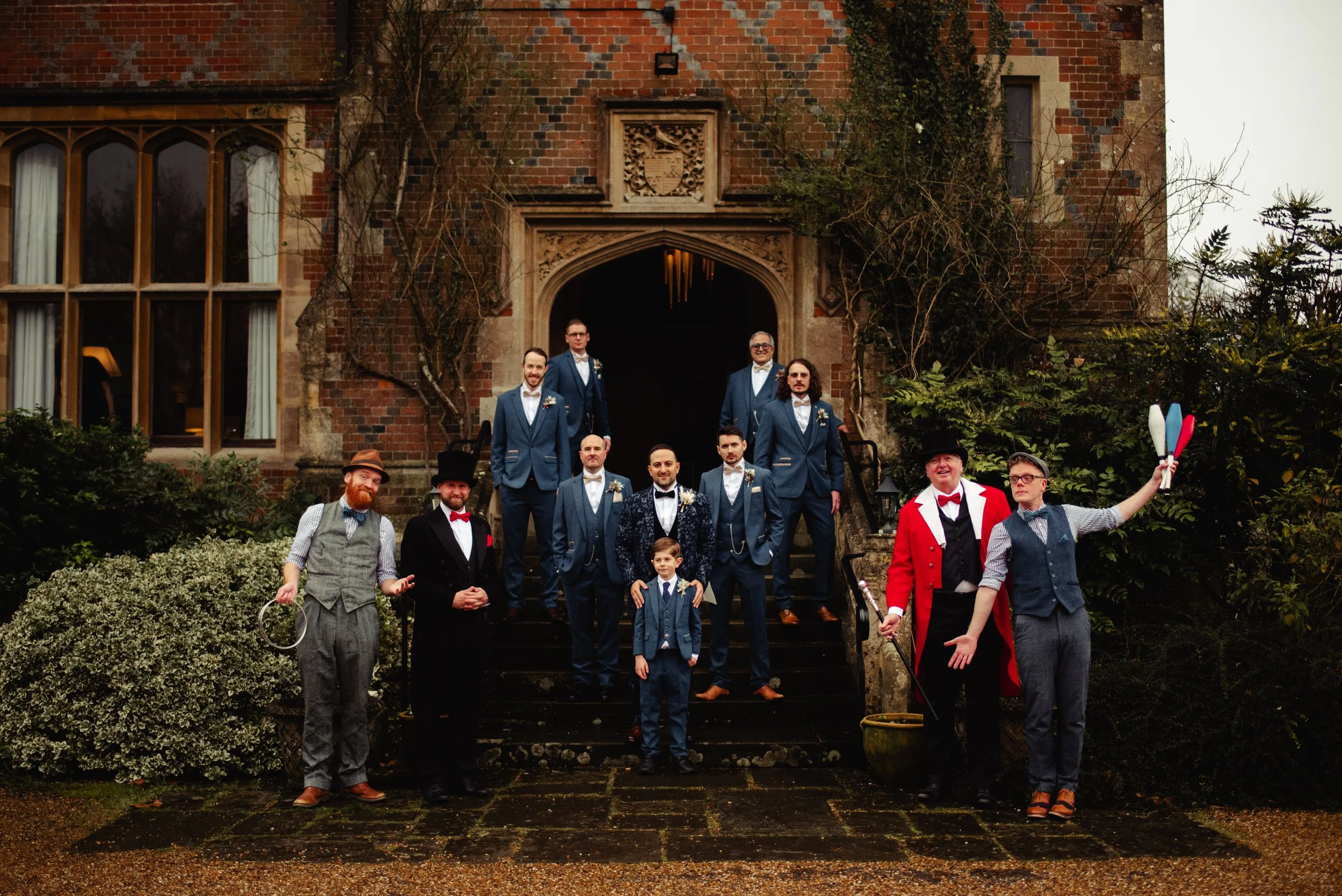
Group photos are the most fragile part of the day.
This is the one area where rain genuinely introduces constraints. Large group photos need space, light and patience. Rain removes at least one of those.
The mistake couples make is assuming group photos must happen outdoors or at a specific time. In reality, the smartest approach is flexibility: breaking groups into smaller clusters, using covered spaces, or moving them earlier or later than planned.
When this is handled well, guests barely notice the change. When it’s handled badly, it’s the only part of the day that feels tense. Experience matters here more than enthusiasm.
Couples often worry about umbrellas. The truth is simpler: umbrellas are either styled and intentional, or they’re visual noise. There’s no middle ground.
Rain doesn’t ruin dresses — panic does.
Another quiet fear is damage. Mud, hems, shoes, makeup. The reality is that most Sussex venues already account for this with pathways, mats and indoor alternatives. The damage usually happens when people rush or insist on forcing outdoor plans.
From a photography point of view, rain changes how fabric behaves, how people move, and how close everyone stands. Those things are visually interesting when anticipated and awkward when resisted.
The biggest difference between couples who love their rainy wedding photos and those who don’t is whether they accepted the conditions early or fought them all day.
Videography benefits from rain more than people expect.
This surprises couples, but moving indoors often improves audio, pacing and emotional continuity. Rain reduces wind, slows transitions and keeps people present. From a storytelling point of view, this can actually strengthen the film — provided it’s shot by someone who understands how to work unobtrusively in tighter spaces.
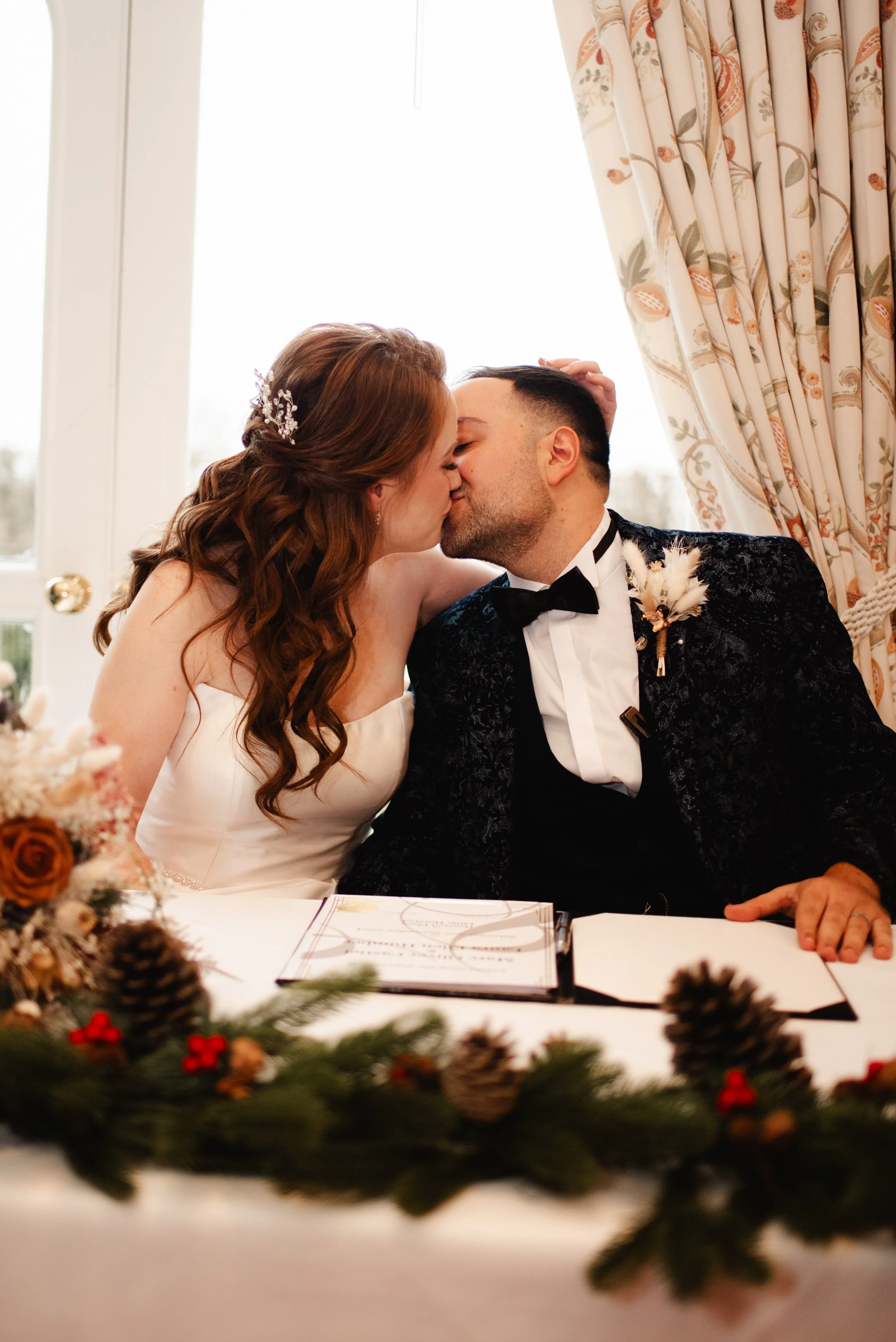
What never helps is pretending the day is “exactly the same as if it were sunny”. It isn’t. It’s different. Different can be better.
What doesn’t happen — despite internet horror stories — is the day falling apart.
Ceremonies still happen. People still laugh. You still get married.
The couples who come away happiest aren’t the ones whose day matched the original plan perfectly. They’re the ones who felt held by their suppliers when the plan shifted.
That’s the real value of experience in Sussex specifically. Knowing which venues flood, which ones don’t. Knowing where light disappears at 3pm in October. Knowing when to gently suggest moving something rather than powering through.
If rain is forecast for your wedding day, the most useful question isn’t “will it ruin things?” It’s “have the people we’ve chosen already dealt with this before?”
If you’re planning a Sussex wedding and weather is on your mind, that’s a conversation worth having early — not on the morning itself.